
What Professional Oriental Rug Cleaning Does Differently
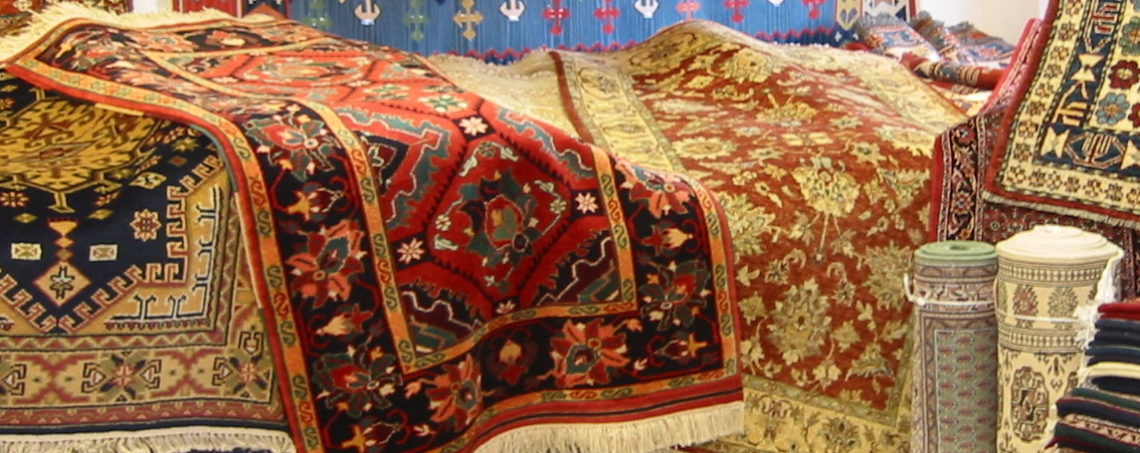
An Oriental rug is not simply wall-to-wall carpet in a smaller size. Hand-knotted construction, natural fibers, specialty dyes, fringe, foundation materials, age, and previous repairs can all affect how a rug should be cleaned. That is why professional rug cleaning should begin with inspection rather than a one-method-fits-all treatment.
The exact process varies according to the rug, but careful cleaning generally follows a sequence designed to remove soil while protecting color, texture, shape, and construction.
Step 1: Inspect the Rug Before Cleaning
A professional first looks at the rug’s fiber type, construction, visible wear, fringe, edges, stains, pet contamination, color condition, and any areas that may already be weakened.
This pre-cleaning inspection helps identify risks and determines whether repairs or special handling may be needed before or during cleaning.
Step 2: Evaluate Color and Fiber Sensitivity
Some rugs contain dyes that are more likely to migrate or bleed when exposed to moisture or cleaning solutions. Certain fibers also respond differently to heat, alkalinity, agitation, and drying conditions.
Testing appropriate areas before full cleaning helps the specialist choose a process suited to the individual rug rather than assuming every material will react the same way.
Step 3: Remove Loose Dry Soil
A substantial portion of rug soil can be dry particulate matter trapped within the pile and foundation. Removing as much loose material as practical before wet cleaning can improve the effectiveness of the later cleaning steps.
The method used should be appropriate for the rug’s age, construction, and physical condition.
If your Oriental rug needs professional attention, call Freshrug at 646-839-1459 to discuss cleaning or restoration service in New York.
Step 4: Treat Stains and Contaminated Areas Carefully
Food, beverages, pet accidents, tracked-in soil, and other spots may require targeted treatment. The safest approach depends on what caused the stain, how long it has been present, the fiber, and the dye stability.
No professional should promise that every old stain will disappear completely. The goal is to improve the area as much as the rug can safely tolerate without causing a larger problem.
Step 5: Clean the Rug With a Method Appropriate to Its Construction
Depending on the rug, the cleaner may use controlled washing or another professional cleaning process suited to the fibers and dyes. The purpose is to remove embedded soil and residues while minimizing stress on the pile and foundation.
Delicate, antique, damaged, or specialty rugs may require a more conservative approach than newer and more durable pieces.
Step 6: Rinse or Remove Cleaning Residues
Cleaning residues left in fibers can attract soil or affect texture. Professional processes therefore include appropriate rinsing, extraction, or residue-removal steps based on the cleaning method used.
The rug should not simply be saturated and left with excess moisture or product in the fibers.
Step 7: Dry the Rug Under Controlled Conditions
Drying is an important part of rug care. Extended dampness can create odor, dye, texture, or foundation problems. Controlled airflow and drying conditions help the rug dry thoroughly while reducing the risk of distortion or color migration.
Fringe and dense areas may need particular attention because they can retain moisture differently than the face fibers.
Step 8: Final Inspection and Grooming
After cleaning and drying, the rug can be inspected again for overall appearance, pile condition, fringe, remaining spots, and any areas that may need additional attention. Grooming helps restore the pile’s natural direction and finished appearance when appropriate.
This final check is also the time to discuss repair or restoration concerns that became more visible once soil was removed.
Protect the Rug by Matching the Cleaning Method to the Rug
The biggest difference between careful professional cleaning and a generic approach is the decision-making that happens before and during the process. Fiber, dye, age, construction, damage, and contamination all influence how a rug should be handled.
Call Freshrug at 646-839-1459 for professional Oriental rug cleaning in New York. A specialist can inspect your rug, explain the appropriate cleaning approach, and discuss any repair or restoration needs before work begins.
Contact Us
646 423 8297
Our Location:



Submit your review | |